
Archivi categoria: Materia Viva in English

Materia Viva brings together research and stories devoted to aromatic raw materials, their histories, the places they come from, and the gestures that shape their journey. A sensory and narrative archive where botany, documented sources, experience and imagination intertwine to restore a living presence to matter.

Materia Viva n.10 — Ramy, the resin of Madagascar

Each issue of Materia Viva begins with an aromatic material and follows it the way one follows a trail: not only its scent, but the landscape, the history, the gestures, the images and the words that material carries with it.
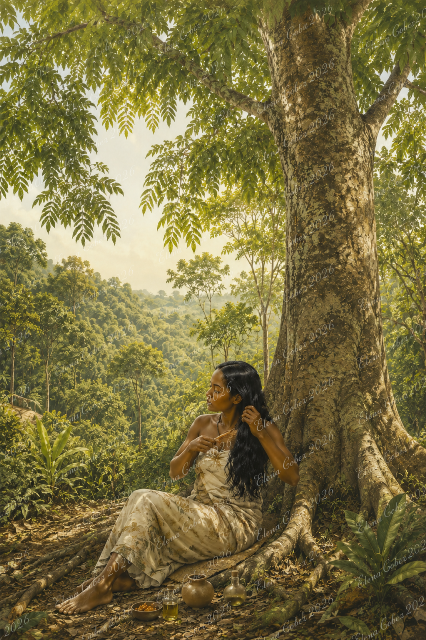
ramy canarium madagascariense

This time the thread leads to Madagascar, to the coasts where Ramy grows — Canarium madagascariense, one of the giants of the rainforest, able to reach nearly forty metres in height and two in diameter. It is a tree that lets itself be gathered while walking: the resin flows out on its own along the trunk, and whoever passes by takes a little, in a gesture the local people themselves describe as ordinary. The wood, on the other hand, almost always remains intact. Ramy is among the least felled trees, often the only one left standing in a ploughed field, spared even when firewood is needed.

If you love resins, you may read Materia Viva about Sumatra Benzoin.

The ezine is an independent editorial project, supported by private funding, and you can receive a free PDF copy. For any details about the project and how to support it, write to us via the WhatsApp button on the site or by email: professionefelice@gmail.com
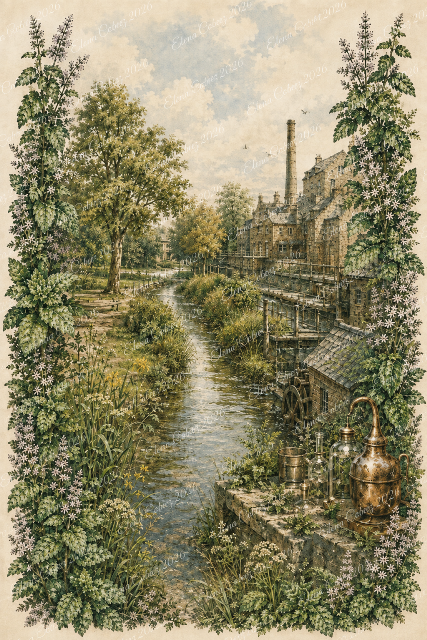
The Wandle river – Materia Viva n.9

Each issue of Materia Viva begins with an aromatic material and follows it as one might follow a trail: not only its scent, but the landscape, history, gestures, images and words that the material carries with it.

river wandle mitcham UK

This time, the thread leads to a river: the Wandle, nine miles of water flowing from the hills south of London to the Thames. It rises from chalk, and that explains much of what follows: rain filters for months through the porous rock before re-emerging as spring water, cold and clear in every season.

An entire district of trades grew up around that water. The damp meadows along the river supported mint and chamomile, while lavender grew further away where the soil became more gravelly, and the same stills were used to distil them. Further downstream, mills ground tobacco for snuff. At Merton Abbey, William Morris moved his entire production in 1881, after having the river water analysed to make sure it was suitable for printing with vegetable dyes.

It is a story of water and hands. Of a single current that, over nine miles, allowed very different trades to exist — growers, distillers, dyers — all sustained by the same natural resource: crystal-clear water.

A recent special edition of the e-zine was also devoted to Mitcham peppermint, tracing the history of this aromatic plant through the landscape, people and industrial heritage of south London.

You can receive a free PDF copy, and for further details about the project and how to support it, contact us via the WhatsApp button on the website or by email at professionefelice@gmail.com. You may also discover the next issue of the ezine, about the Ramy, a resin from Madagascar.