
Archivi tag: materia viva

Materia Viva n. 12, Il rosmarino

Ogni numero di Materia Viva nasce da una materia aromatica e la segue come si seguirebbe una traccia: non solo il profumo, ma il paesaggio, la storia, i gesti, le immagini e le parole che quella materia porta con sé.

Questa volta il filo conduce al Mediterraneo, sulle coste dove il rosmarino cresce spontaneo, fra il mare e la terra. Una pianta così familiare che spesso non ci fermiamo più ad annusarla.

Eppure il rosmarino ha attraversato i secoli accompagnando gesti quotidiani, celebrazioni e preparazioni profumate. Lo troviamo nelle descrizioni degli autori antichi, nelle ghirlande delle nozze inglesi, nelle ricette dell’Acqua della Regina d’Ungheria. Shakespeare lo affida a Ofelia come simbolo del ricordo; secoli dopo, la poetessa americana Marianne Moore lo osserva con uno sguardo sorprendente.
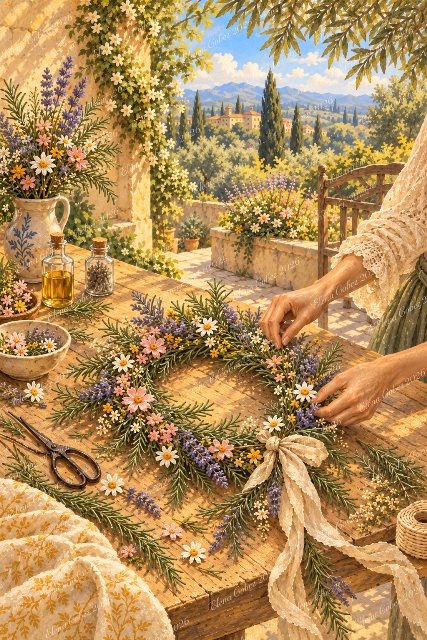
Rosmarinus officinalis Materia viva ezine aromatica e poetica, opera di Elena Cobez

Al naso, una freschezza verde, resinosa, quasi salmastra. Basta rigirare un rametto fra le dita per liberare un profumo che sembra contenere qualcosa del paesaggio mediterraneo da cui proviene.

Materia Viva n. 12 segue questa lunga storia, fra botanica, profumeria, letteratura e memoria, accompagnata da un’illustrazione originale.

Scopri di più qui su Materia Viva.

La ezine è un progetto editoriale sostenuto da fondi privati. Per informazioni sulla pubblicazione e sulle modalità per riceverla e sostenerla, scrivici tramite il tasto WhatsApp del sito oppure via mail: professionefelice@gmail.com.

When AI Was Called Lavender

Notes from OpenAI DevDay 2026

Yesterday, during OpenAI DevDay, artificial intelligence acquired a small physical body.

It was a programmable robot, an early preview loaned by Hugging Face. It could see the audience, make an image, respond to a voice and move through physical space. The demonstration brought together vision, image generation and real-time voice interaction.

The robot had a name. It was called Lavender. For someone who has spent many years working with aromatic plants and materials, it was difficult not to stop there.

Why Lavender?

There may be a perfectly ordinary answer. Names are chosen for all sorts of reasons, and nothing in the presentation explained this one. But names also arrive carrying histories of their own.

Lavender has lived close to human beings for centuries. In gardens, houses, linen cupboards, baths, remedies and perfumes, it has accompanied gestures of washing, caring, scenting, calming and preserving. Its cultural history is inseparable from the body and from domestic life.

And now the name had been given to a machine. Not to an invisible piece of software, but to a small physical creature through which artificial intelligence could look, listen, answer and act in the material world.

The juxtaposition became even more interesting because of what happened later. Towards the end of the keynote, the language changed. A short film celebrated “the builders”, “the new artists” and “the makers of our time”, speaking not only of technical capability but of intuition, creation and things that live, change and move with us.

After a while, Sam Altman rejected the idea of AI simply as another industrial revolution. Some parts of life “cannot and should not automate”. The better possibility, in his description, was closer to a new Renaissance: technology giving people greater power over their lives and more tools with which to create, learn, discover and expand knowledge.

And suddenly I found myself thinking again about the little robot called Lavender. Lavender belongs to an old vocabulary of human life: body, perception, care, fragrance, memory, domestic gesture. Artificial intelligence belongs to a vocabulary that is still being written.

And between Lavender and AI, there may be a resonance: a shared question about awareness, and about what might help us live more consciously and peacefully.