
The Wandle river – Materia Viva

Each issue of Materia Viva begins with an aromatic material and follows it as one might follow a trail: not only its scent, but the landscape, history, gestures, images and words that the material carries with it.

This time, the thread leads to a river: the Wandle, nine miles of water flowing from the hills south of London to the Thames. It rises from chalk, and that explains much of what follows: rain filters for months through the porous rock before re-emerging as spring water, cold and clear in every season.

An entire district of trades grew up around that water. The damp meadows along the river supported mint and chamomile, while lavender grew further away where the soil became more gravelly, and the same stills were used to distil them. Further downstream, mills ground tobacco for snuff. At Merton Abbey, William Morris moved his entire production in 1881, after having the river water analysed to make sure it was suitable for printing with vegetable dyes.

It is a story of water and hands. Of a single current that, over nine miles, allowed very different trades to exist — growers, distillers, dyers — all sustained by the same natural resource: crystal-clear water.

A recent special edition of the e-zine was also devoted to Mitcham peppermint, tracing the history of this aromatic plant through the landscape, people and industrial heritage of south London.

You can receive a free PDF copy, and for further details about the project and how to support it, contact us via the WhatsApp button on the website or by email at professionefelice@gmail.com.

Materia Viva n.9 — Il fiume Wandle

Ogni numero di Materia Viva nasce da una materia aromatica e la segue come si seguirebbe una traccia: non solo il profumo, ma il paesaggio, la storia, i gesti, le immagini e le parole che quella materia porta con sé.
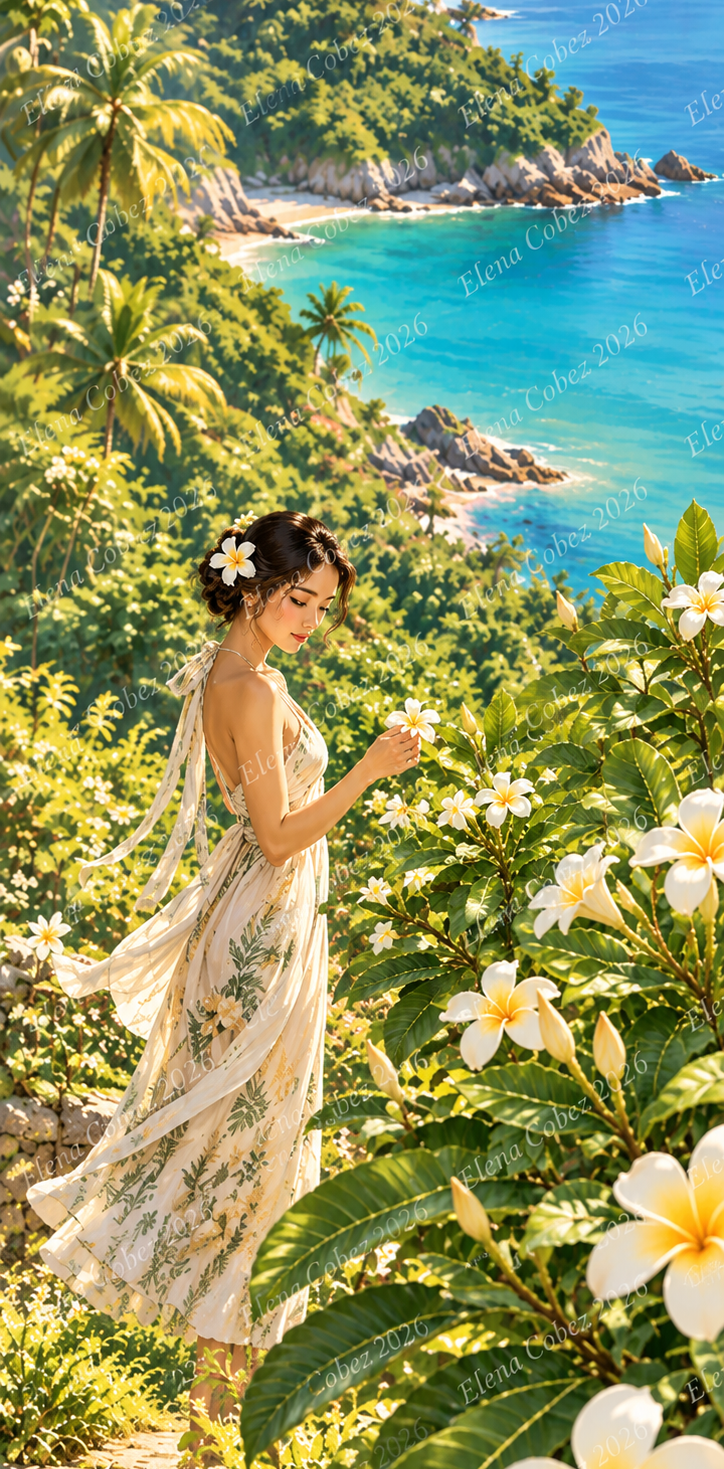
Questa volta il filo conduce a un fiume: il Wandle, nove miglia d’acqua che scendono dalle colline a sud di Londra fino al Tamigi. Nasce dal gesso, e questo spiega tutto il resto — la pioggia filtra per mesi dentro la roccia porosa e riemerge come sorgente, fredda e limpida in ogni stagione.

Su quell’acqua si è costruito un intero distretto di mestieri. I prati umidi lungo il fiume ospitavano la menta e la camomilla, la lavanda cresceva più in là dove il terreno si fa ghiaioso, e gli stessi alambicchi distillavano l’una e l’altra. Più a valle i mulini macinavano tabacco per il tabacco da fiuto. E a Merton Abbey William Morris trasferì tutta la sua produzione nel 1881, dopo aver fatto analizzare l’acqua del fiume per accertarsi che fosse adatta alla stampa con i colori vegetali.

È una storia di acqua e di mani. Di una sola corrente che, lungo nove miglia, ha permesso a mestieri diversi di esistere — agricoltori, distillatori, tintori — con una risorsa naturale dall’acqua cristallina.

Puoi riceverne una copia gratuita in PDF e, per ogni dettaglio sul progetto e su come sostenerlo, scrivici tramite il tasto WhatsApp del sito o via mail: professionefelice@gmail.com

Esperienze olfattive, scrittura e immagini d'autore

×