
Archivi tag: ezine

Materia Viva n.7 — La menta di Mitcham

Ogni numero di Materia Viva nasce da una materia aromatica e la segue come si seguirebbe una traccia: non solo il profumo, ma il paesaggio, la storia, i gesti, le immagini e le parole che quella materia porta con sé.
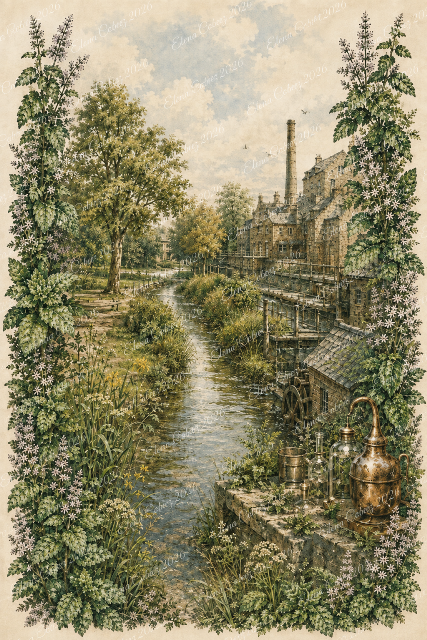
Questa volta il filo conduce alla menta piperita Black Mitcham (Mentha × piperita), la varietà nata nei campi di Mitcham, a sud di Londra, dove per due secoli la coltivazione della menta ha segnato il paesaggio, il lavoro e persino i nomi delle strade. Una pianta dal destino singolare: essendo un ibrido sterile, non produce seme fertile e si propaga soltanto per talea. Ogni pianta di Black Mitcham è, di fatto, la continuazione vivente di uno stesso individuo — un filo verde ininterrotto che attraversa i secoli e le guerre.

Il nuovo numero della ezine Materia viva attraversa i campi di Mitcham e la loro memoria, le distillerie inglesi, il salvataggio di questa varietà durante la Prima guerra mondiale, esplorando una storia e una pianta che riserva tante sorprese.

Nell’estate 2026 questo numero è stato acquisito come fonte d’archivio dal Wandle Industrial Museum (Regno Unito), a documentazione della coltivazione storica della menta nella zona di Mitcham.

Puoi riceverne una copia gratuita in pdf e per ogni dettaglio sul progetto e come sostenerlo. scrivici tramite il tasto WhatsApp del sito o via mail: professionefelice@gmail.com
Materia Viva, the Aromatic Ezine – Camellia japonica, the Japanese Camellia

Materia Viva is a work in progress dedicated to aromatic raw materials: resins, plants, woods, essences, balsams, flowers, seeds, roots.

It arises where scent, word, image, and research meet. Of each material, what matters is not only its effect, but everything that accompanies it: where it comes from, which landscape generates it, which hands have gathered it, how it has become a symbol.

It is at once a cultural notebook and a sensory experience. Each material is traced back to its origin, through lands and customs, ancient trade routes, archives, faces, and sudden intuitions. Starting from a resin, a wood, a flower, the thread is followed: clues are gathered, the scent is listened to, an image is pursued, until a form surfaces.

Part of this work lives in texts and digital publications; another part becomes original artwork, printed in fine art.

The latest issue is dedicated to Camellia japonica. Here is an excerpt:

I close my eyes. My fingertips move across the skin of my face — tapping lightly, tracing small circles. I use an oil that flows easily, weightless to the touch. I bring my fingers to my nose, and this time the scent is the faintest thing: no floral fragrance, but rather a delicacy that speaks directly to the skin — making it immediately supple, glad. This is how I first meet Camellia japonica, a plant with full, red flowers that seems at first to promise perfume, and instead delivers care through the oil pressed from its seeds.

You can receive a free PDF copy by writing to us via the WhatsApp button on the site.